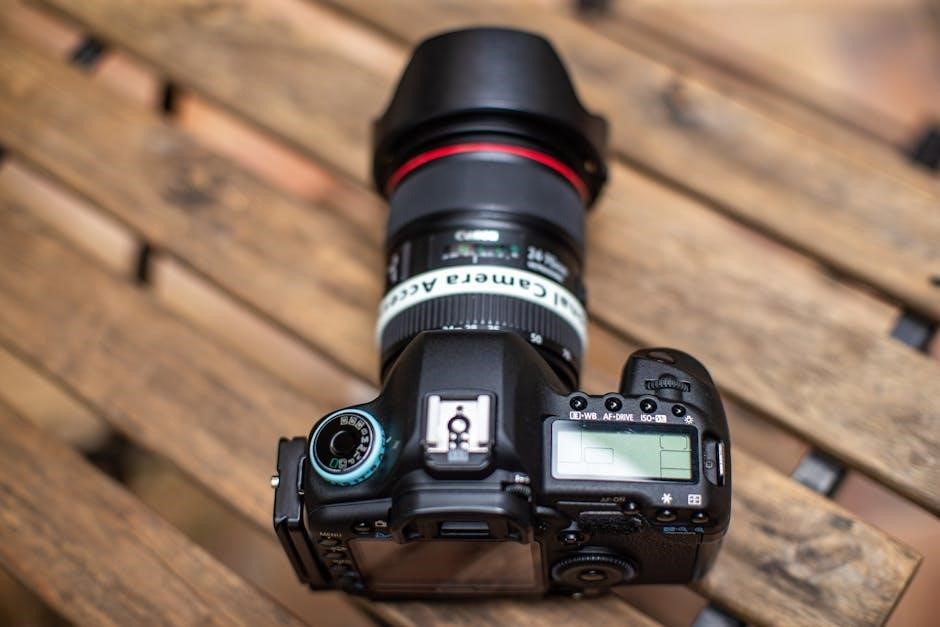
canon 40d manual
Canon 40D Manual: A Comprehensive Guide
This guide maximizes your Canon 40D’s performance‚ offering tips and tricks for a thorough understanding of its features and functions․
Welcome to the world of the Canon 40D‚ a powerful and versatile Digital SLR designed for both amateur and professional photographers․ This comprehensive manual serves as your guide to unlocking the full potential of this remarkable camera․ Released to critical acclaim‚ the 40D boasts a 10․1-megapixel CMOS sensor‚ delivering exceptional image quality and detail․
Whether you’re a beginner or an experienced photographer‚ this manual will provide you with the knowledge and techniques needed to capture stunning photographs․ We’ll cover everything from basic camera operation to advanced shooting modes and customization options․ Prepare to embark on a journey of photographic discovery with your Canon 40D!
Understanding the Camera Body and Controls
The Canon 40D features an ergonomically designed body‚ providing a comfortable and secure grip for extended shooting sessions․ Key controls are intuitively placed for easy access‚ allowing for quick adjustments without interrupting your creative flow․ Familiarize yourself with the power switch‚ shutter button‚ mode dial‚ and control dials․
The rear panel houses the LCD screen‚ menu buttons‚ and directional pad‚ essential for navigating the camera’s settings․ Understanding the function of each button and dial is crucial for mastering the 40D․ This section will detail each component‚ ensuring you can confidently operate your camera in any shooting situation․
Menu System Navigation
The Canon 40D’s menu system is logically organized into several tabs: Shooting‚ AF‚ Setup‚ Custom Functions‚ and My Menu․ Navigating these menus is done using the directional pad and SET button․ Each tab contains numerous settings that allow you to customize the camera to your specific needs and preferences․
Understanding the menu structure is vital for unlocking the full potential of your 40D․ This section will provide a detailed walkthrough of each menu option‚ explaining its function and how it impacts your images․ Mastering menu navigation will empower you to fine-tune your camera and achieve optimal results․

Shooting Modes Explained
The Canon 40D offers a variety of shooting modes‚ from fully automatic options to complete manual control‚ catering to all skill levels and photographic situations․
Automatic Shooting Modes
The Canon 40D simplifies photography with its automatic modes‚ ideal for beginners or quick snapshots․ The ‘P’ (Program) mode allows the camera to select both aperture and shutter speed‚ while you maintain control over other settings like ISO and white balance․
For effortless shooting‚ utilize the full Auto mode‚ letting the camera handle all settings․ Scene modes‚ such as Portrait‚ Landscape‚ and Sports‚ optimize settings for specific subjects․ These pre-programmed settings ensure optimal results without requiring manual adjustments‚ making the 40D user-friendly for all photographers․
Program Mode (P)
Program Mode (P) on the Canon 40D offers a balance between automatic convenience and creative control․ The camera automatically selects the appropriate aperture and shutter speed for optimal exposure‚ but allows you to adjust other settings like ISO‚ white balance‚ and exposure compensation․
This mode is excellent for general photography where you want the camera to handle the technical aspects while you focus on composition and subject matter․ You can also utilize Program Shift to subtly adjust the aperture and shutter speed combination‚ offering a degree of creative flexibility․
Shutter Priority Mode (Tv)
Shutter Priority Mode (Tv) on your Canon 40D grants you direct control over the shutter speed‚ while the camera automatically adjusts the aperture to achieve proper exposure․ This mode is ideal for capturing motion – either freezing it with fast shutter speeds or blurring it with slower ones․
For sports or wildlife photography‚ a fast shutter speed is crucial․ Conversely‚ for creating motion blur in waterfalls or light trails‚ a slower shutter speed is preferred․ Remember to consider the impact of shutter speed on image brightness and depth of field․

Aperture Priority Mode (Av)
Aperture Priority (Av) mode on the Canon 40D allows you to select the desired aperture‚ controlling the depth of field‚ while the camera automatically sets the shutter speed for correct exposure․ A wider aperture (lower f-number) creates a shallow depth of field‚ ideal for portraits with blurred backgrounds․
Conversely‚ a narrower aperture (higher f-number) increases the depth of field‚ keeping more of the scene in focus – perfect for landscapes․ Be mindful that aperture also influences the amount of light entering the camera‚ impacting the required shutter speed․
Manual Mode (M)
In Manual (M) mode on your Canon 40D‚ you have complete control over both aperture and shutter speed‚ allowing for precise exposure settings tailored to your creative vision․ This mode is ideal for challenging lighting conditions or when you want to override the camera’s automatic settings․
Utilize the camera’s light meter as a guide‚ adjusting both settings until the indicator reaches the center․ Mastering Manual mode requires practice‚ but unlocks full creative potential‚ offering unparalleled control over depth of field and motion blur․
Focusing System and Techniques
Explore the Canon 40D’s autofocus modes and manual options for sharp images; learn to select focus points effectively for precise control and creative results․
Autofocus Modes and Selection
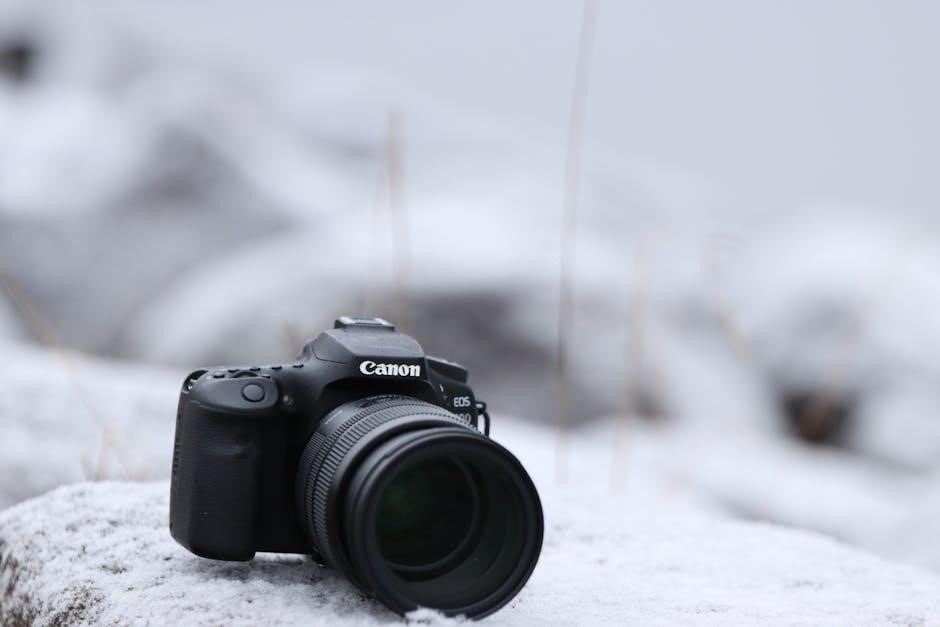
The Canon 40D offers a variety of autofocus (AF) modes to suit different shooting situations․ One-Shot AF is ideal for stationary subjects‚ locking focus when the shutter button is half-pressed․ AI Servo AF continuously tracks moving subjects‚ maintaining focus as they change position․
AI Focus AF intelligently switches between One-Shot and AI Servo‚ attempting to determine the subject’s movement․ Selecting the appropriate AF mode is crucial for capturing sharp images․ Consider the subject’s behavior and desired outcome when choosing a mode․
Furthermore‚ the 40D allows customization of AF point behavior‚ influencing how the camera selects and prioritizes focus points․
Manual Focusing Options
The Canon 40D provides robust manual focusing (MF) capabilities for precise control over your images․ Switching to MF mode allows you to adjust focus directly using the focusing ring on your lens․ This is particularly useful in challenging situations where autofocus struggles‚ such as low light or macro photography․
The camera offers focus confirmation via the viewfinder or Live View‚ indicated by a visual cue when the subject is in sharp focus․
Fine-tuning focus is achievable with careful adjustments of the focusing ring‚ enabling creative control and accuracy․
Focus Point Selection
The Canon 40D features a 9-point autofocus system‚ offering flexibility in selecting the optimal focus point for your composition․ You can choose individual focus points or utilize autofocus point expansion for wider coverage․
Selecting a focus point is done via the dedicated directional buttons on the camera’s rear panel․
This allows you to prioritize focus on specific areas of the scene‚ ensuring critical elements are sharp․
Understanding how to effectively choose and utilize focus points is crucial for achieving consistently sharp and well-composed photographs․
Exposure Control and Metering
Mastering exposure involves understanding metering modes‚ compensation‚ and white balance for optimal image brightness and color accuracy with your Canon 40D․
Metering Modes Explained
The Canon 40D offers several metering modes to accurately measure light and determine proper exposure․ Evaluative metering‚ the default‚ analyzes the entire scene for balanced results; Partial metering focuses on a smaller area‚ useful for backlit subjects․ Spot metering measures light from a very small point‚ ideal for precise control․ Center-weighted average metering prioritizes the center of the frame‚ diminishing towards the edges․
Understanding these modes allows photographers to tailor exposure to specific situations․ For example‚ use spot metering on a face in strong sunlight‚ or evaluative metering for a general landscape․ Experimenting with each mode is crucial for mastering exposure and achieving desired photographic outcomes with your Canon 40D․
Exposure Compensation
Exposure compensation on the Canon 40D allows you to override the camera’s automatic exposure settings․ This is vital when the camera is fooled by bright or dark scenes․ Use the +/- button to adjust the exposure in increments of 1/3 or 1/2 stops․ Positive values brighten the image‚ while negative values darken it․
For instance‚ shooting snow scenes often requires positive compensation to prevent underexposure․ Conversely‚ dark subjects against a bright background may need negative compensation․ Mastering exposure compensation ensures your images accurately reflect your artistic vision‚ even in challenging lighting conditions‚ maximizing the 40D’s potential․
White Balance Settings
The Canon 40D offers a variety of white balance settings to ensure accurate color reproduction․ Auto White Balance (AWB) is convenient‚ but can be unreliable in mixed lighting․ Presets like Daylight‚ Cloudy‚ Shade‚ Tungsten‚ and Fluorescent cater to specific conditions․
For precise control‚ use Custom White Balance‚ setting it manually using a white or gray card․ This guarantees accurate colors‚ especially crucial for professional work․ Understanding white balance is key to achieving natural-looking images‚ avoiding unwanted color casts and unlocking the full potential of your 40D’s image quality․
Image Quality and Settings
Explore RAW versus JPEG options‚ image size and compression choices‚ and Picture Style settings to tailor your Canon 40D’s output precisely․
RAW vs․ JPEG
Choosing between RAW and JPEG formats significantly impacts image quality and editing flexibility with your Canon 40D․ JPEG files are compressed‚ resulting in smaller file sizes‚ convenient for immediate use and sharing‚ but with some loss of image data․
RAW files‚ conversely‚ contain all image data captured by the sensor‚ offering maximum editing latitude for adjustments to exposure‚ white balance‚ and color․ While RAW files are larger and require post-processing‚ they preserve detail and allow for non-destructive editing․
Consider your workflow: JPEG for quick results‚ RAW for ultimate control and archival quality․
Image Size and Compression
The Canon 40D allows you to select various image sizes and compression levels‚ impacting file size and image detail․ Larger image sizes (e․g․‚ Large‚ 10․1 megapixels) capture more detail‚ ideal for prints and extensive cropping‚ but create larger files․
Compression settings (Fine‚ Normal‚ Low) further influence file size․ Fine compression retains more image quality with larger files‚ while Low compression offers smaller files with some detail loss․
Balance image quality with storage capacity; choose settings appropriate for your intended use․
Picture Style Settings
Canon’s Picture Style settings allow you to customize the look of your images directly within the camera․ These presets – Standard‚ Portrait‚ Landscape‚ Neutral‚ Faithful‚ and Monochrome – adjust sharpness‚ contrast‚ color saturation‚ and tone․
Standard is a versatile all-purpose setting․ Portrait emphasizes skin tones‚ while Landscape boosts colors for vivid scenery․
You can further refine these presets or create and save your own custom Picture Styles to achieve a unique aesthetic․
Advanced Features and Customization
Explore custom functions‚ user presets‚ and Live View shooting to personalize your Canon 40D and unlock its full potential for creative control;
Custom Functions
The Canon 40D boasts an extensive array of custom functions‚ allowing photographers to tailor the camera’s operation to their specific shooting style and preferences․ These functions cover a wide range of settings‚ from autofocus behavior and image quality parameters to button assignments and menu display options․
By accessing the custom function menu‚ users can fine-tune the camera’s response to various situations‚ optimizing it for speed‚ accuracy‚ or creative control․ This level of customization empowers photographers to work more efficiently and intuitively‚ ultimately enhancing their overall shooting experience․ Experimenting with these settings is key to mastering the 40D․
User Presets
Canon 40D users can significantly streamline their workflow by utilizing the camera’s user preset functionality․ These presets allow photographers to save and recall customized settings combinations‚ eliminating the need to repeatedly adjust individual parameters for frequently used shooting scenarios․
Imagine quickly switching between settings optimized for landscapes‚ portraits‚ or action shots with a single button press! User presets encompass a broad spectrum of settings‚ including shooting modes‚ image quality‚ autofocus‚ and white balance․ This feature is invaluable for photographers seeking efficiency and consistency in their work․
Live View Shooting
The Canon 40D’s Live View mode offers a unique shooting experience‚ displaying a real-time image on the LCD screen․ This is particularly useful for precise composition‚ manual focusing‚ and shooting from awkward angles where using the viewfinder is challenging․
However‚ it’s important to note that Live View operation can impact battery life and potentially lead to sensor overheating during prolonged use․ The 40D provides various focusing options within Live View‚ including contrast detection autofocus‚ which can be slower than traditional phase-detection autofocus․

Troubleshooting Common Issues
Resolve errors‚ battery problems‚ and image quality concerns with this section’s solutions‚ ensuring optimal performance from your Canon 40D camera․
Error Messages and Solutions
Encountering an error message on your Canon 40D can be frustrating‚ but often easily resolved․ Common errors include “Err 90” (card error)‚ typically fixed by reformatting the memory card or trying a different one․ “Err 05” suggests a shutter malfunction‚ potentially requiring professional repair․
If you see “Insufficient memory card capacity‚” clear space or use a larger card․ For lens errors‚ ensure proper attachment and compatibility․ Regularly check Canon’s support website for a comprehensive list of error codes and their corresponding solutions specific to the 40D model․
Battery Issues
The Canon 40D utilizes a Canon LP-E4 battery․ If your battery isn’t charging‚ first verify the charger is functioning correctly with a different battery if possible․ Ensure the battery contacts are clean and free of debris․ Cold temperatures significantly reduce battery performance; keep the battery warm․
A rapidly draining battery could indicate a faulty battery or excessive Live View usage․ Consider purchasing a spare battery for extended shooting sessions․ Avoid using third-party chargers‚ as they may damage the battery․ Regularly calibrate the battery by fully charging and then fully discharging it․

Image Quality Problems
If images appear blurry‚ confirm proper focusing technique and sufficient light․ Check your shutter speed; slower speeds increase blur risk․ Noise in images‚ especially at high ISO settings‚ is normal but can be minimized using noise reduction in post-processing․
Color casts can be corrected with White Balance adjustments․ Ensure your lens is clean and free of scratches․ If images lack detail‚ verify your aperture setting is appropriate․ Experiment with different Picture Style settings to achieve desired results․ Regularly clean the camera’s sensor to prevent dust spots․