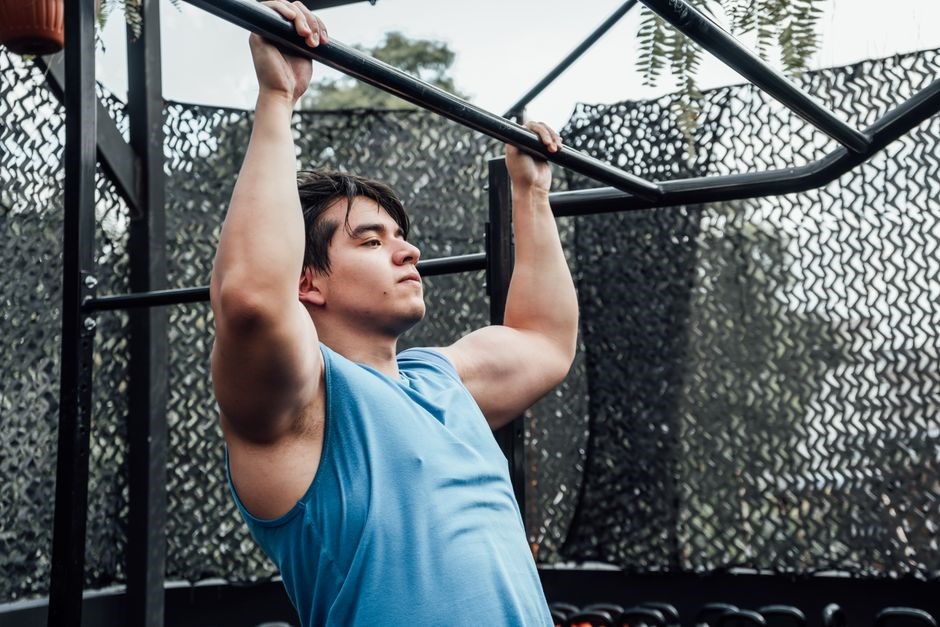
chest and triceps workout pdf
This guide outlines a structured push routine, blending compound lifts with isolation moves to build upper‑body power. It details set schemes, rep ranges, and rest intervals, ensuring while minimizing injury risk. Follow the plan for balanced growth. Use proper form for safety always now!
Purpose and Scope of the PDF
Designed for strength coaches, fitness enthusiasts, and athletes, this PDF delivers a comprehensive 6‑day split that targets the chest and triceps with precision. It integrates proven volume and intensity guidelines, such as 5 sets of 15 reps for flat barbell bench press and 3 sets of 25 reps for seated behind‑the‑neck press, to stimulate hypertrophy while preserving joint health. The document also outlines rest intervals ranging from 30 to 120 seconds, allowing users to adjust pacing based on individual recovery rates. By incorporating both compound movements—flat and incline bench presses, standing overhead presses, and isolation work—standing triceps, the guide ensures balanced muscle development. Additionally, the PDF addresses common pitfalls like inadequate warm‑ups, improper form, and volume mismanagement, offering corrective strategies for optimal progress. Users can track performance with built‑in tables, and the progression section explains how to scale sets, reps, and load as strength improves. Whether you’re a novice or a seasoned lifter, this resource equips you with the knowledge to design, execute, and refine a chest‑and‑triceps program that delivers measurable results. By systematically adjusting load, reps, and rest, the PDF empowers lifters to avoid plateaus, maintain progressive overload, and achieve sustainable strength gains, all while emphasizing proper biomechanics and recovery protocols to maximize long‑term performance daily regimen!!!

Chest Anatomy and Targeted Exercises
Primary muscles: pectoralis major, minor, serratus anterior. Focus on flat barbell bench press (5×15), incline dumbbell press, dips, cable crossovers, machine flys. Use 90‑120 sec rest, 1 AMQRAP for heavy sets, 25‑30 reps for accessory work.daily. now
Primary Chest Muscles and Movement Patterns
During training, focus on scapular retraction and depression to prevent shoulder impingement. Employ a slight forward tilt of the torso during flat presses to engage the lower pectorals. For incline work, keep the elbows at a 45‑degree angle to maximize upper chest activation. Cablecrossovers should be performed with a pause at the peak contraction to increase time under tension. Dips should be executed with controlled descent avoiding excessive forward lean to isolate the chest rather than the triceps for maximal growth now!
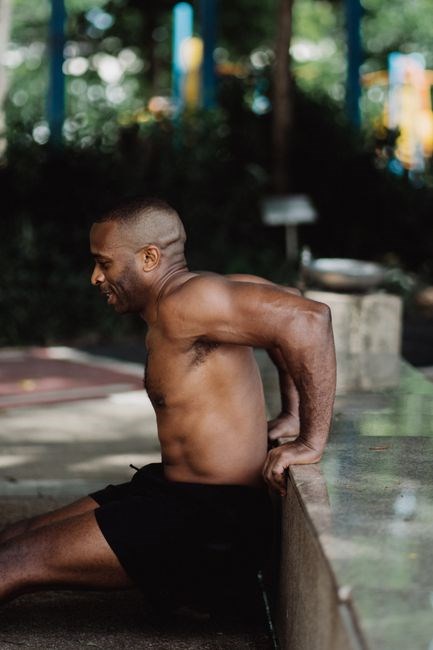
Triceps Anatomy and Targeted Exercises
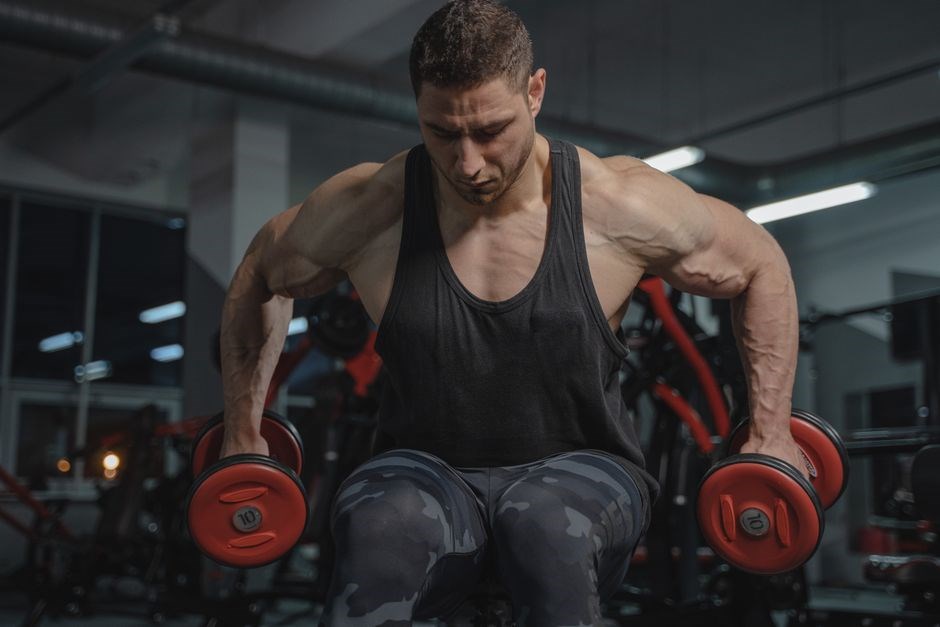
The triceps brachii has long, lateral, and medial heads, each driving elbow extension. Core lifts: behind‑neck press, dips, seated extensions, pushdowns, and overhead cable work. Emphasize full range, controlled tempo, and progressive overload!!
Primary Triceps Muscles and Movement Patterns
The triceps brachii, a three‑headed muscle, is the primary driver of elbow extension; The long head originates from the scapular spine, the lateral head from the humeral shaft, and the medial head from the coracoid process. Together they flex the shoulder and extend the elbow, making them crucial for pushing movements. In training, the long head is most engaged during overhead or behind‑neck presses, while the lateral head dominates flat or incline bench presses. The medial head is heavily recruited during close‑grip bench presses and triceps pushdowns. Understanding these variations allows athletes to target each head effectively. Common movement patterns include the behind‑neck press, which isolates the long head; dips, which recruit all heads with a focus on the lateral; seated triceps extensions, which isolate the long head; and cable pushdowns, which target the medial head. Proper form—maintaining a neutral wrist, controlled descent, and full extension—maximizes hypertrophy and reduces injury risk. Progressive overload, volume management, and adequate recovery are essential for balanced development across all three heads. By incorporating a mix of compound and isolation exercises, lifters can stimulate the triceps comprehensively, improving overall pushing strength and aesthetic balance.
- Long head: behind‑neck or overhead presses, 90° elbow angle.
- Lateral head: flat/incline bench presses, dips, full elbow extension.
- Medial head: close‑grip bench, cable pushdowns, neutral wrist.
- Stability: keep shoulders stable, avoid over‑external rotation.
Consistent programming yields noticeable gains in strength and size and muscle symmetry
Essential Equipment for a Chest & Triceps PDF
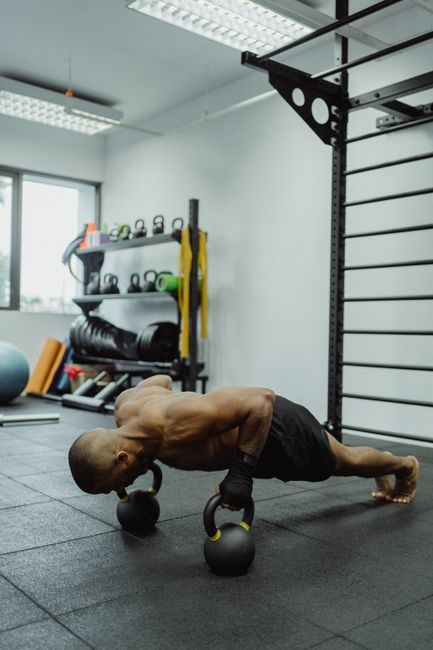
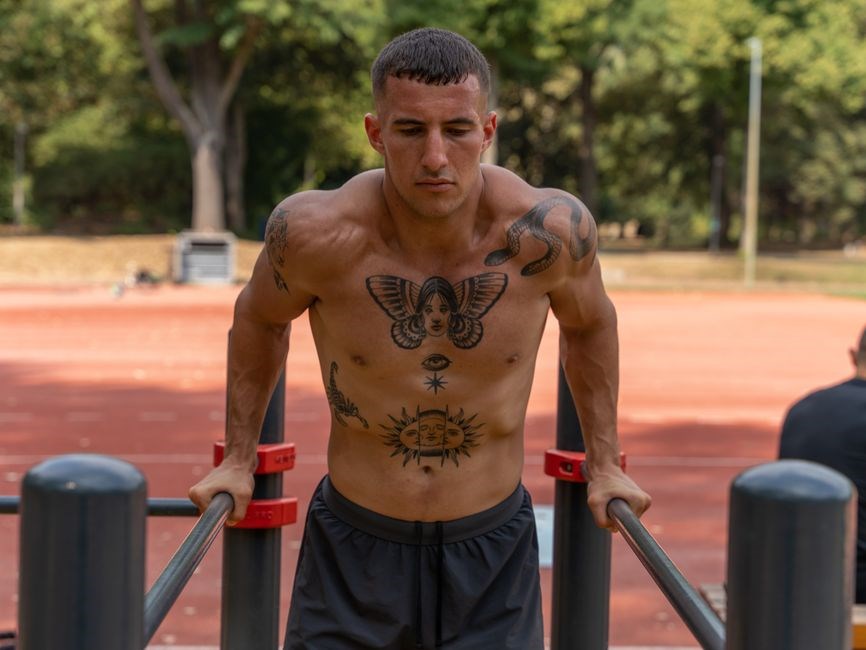
Essential gear includes a flat bench, adjustable barbell rack, dumbbells, a cable machine, and a dip station. These tools enable bench presses, overhead presses, dips, and cable pushdowns, covering all key movements for chest and triceps growth. Use adjustable plates progressive overload today!
Barbells, Dumbbells, Machines, and Cable Accessories
For a comprehensive chest‑and‑triceps program, a versatile set of tools is essential. A flat bench and adjustable barbell rack allow heavy flat presses, while an incline bench or adjustable seat facilitates angled presses that target upper pectorals. Dumbbells provide unilateral stability and a full range of motion for presses, flys, and lateral raises. A dip station or weighted dip belt is crucial for compound triceps work, complementing cable pushdowns and overhead extensions.
Cable machines offer constant tension for crossovers, triceps pushdowns, and cable lateral raises. The ability to adjust pulley height and load ensures progressive overload. A multi‑function machine that includes a fly attachment can replace free‑weight flys when space or safety is a concern. Accessories such as EZ bars, rope attachments, and V‑bars diversify triceps isolation, while a resistance band can add extra tension during dips or presses.
Incorporating these tools into a structured split—heavy flat presses, volume‑focused dips, and cable isolation—creates a balanced stimulus for both muscle groups. Proper setup, progressive loading, and consistent form are key to maximizing hypertrophy and preventing injury.
A sturdy bench, a cable pulley, and dumbbells give flexibility for beginners, ensuring safe training strong and effective.

Sample Workout PDF Outline (6-Day Split Example)
This 6‑day split alternates push and pull days, dedicating Day A to chest, shoulders, triceps with heavy flat presses, dips, and cable crossovers; Day B focuses on upper chest, overhead presses, and triceps pushdowns, ensuring balanced volume and recovery. Progressive overload cues guide recovery
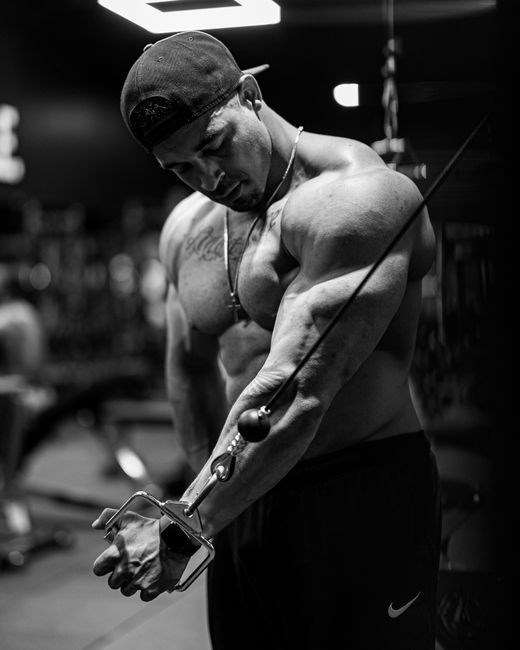
Day A: Push A – Chest, Shoulders, Triceps
Day A focuses on maximal hypertrophy for the chest, shoulders, and triceps. Begin with a heavy flat barbell bench press: 5 sets of 15 reps, resting 90–120 seconds between sets to build strength and volume. Follow with a single AMQRAP set to push the limits. Next, perform seated behind‑the‑neck presses for 3 sets of 25 reps, using a 60‑second rest to target the posterior deltoids while keeping the triceps engaged. Incorporate tricep dips for 3 sets of 30 reps, resting 60 seconds to emphasize the long head. Add standing cable crossovers for 5 sets of 50 reps, with 30‑second rest intervals to isolate the inner chest. Finish with seated tricep extensions (dumbbell, rope, or EZ bar) for 5 sets of 50 reps, resting 30 seconds to fully fatigue the triceps. Finally, include seated dumbbell lateral raises for 5 sets of 50 reps with 15 seconds rest to sculpt the medial deltoids. This routine balances compound lifts, isolation work, and adequate rest, ensuring progressive overload and muscle recovery. To maximize hypertrophy, incorporate a brief warm‑up set with lighter weights, followed by a pre‑exhaust technique such as cable flyes before the bench press. Additionally, integrate a supersetted pair of triceps pushdowns and skull crushers to intensify the stimulus. Monitor form closely; avoid shoulder impingement by keeping elbows at a 45° angle relative to the torso. Finally, schedule 48‑72 hours of recovery between push sessions to allow muscle repair and growth. Use 2‑minute rest between sets to maintain intensity. Keep elbows. Stay.
Common Mistakes in Chest & Triceps Training
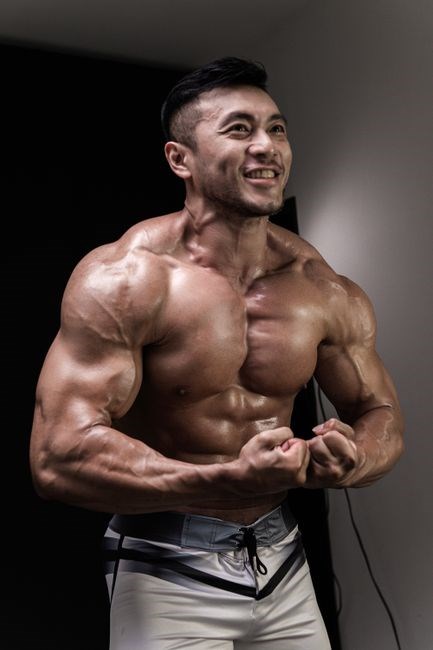
Flat bench overload, neglecting angles; poor elbow position, shoulder strain; skipping warm‑up; ignoring triceps isolation; excessive volume, inconsistent rest; bad form in dips; shoulder rotation errors; neglect core stability during presses.
Form Errors and Volume Imbalances
Chest and triceps programs often suffer from two core problems: faulty technique and uneven load distribution. A common form error is letting the bench bar travel too far forward or allowing the elbows to flare out during presses, which shifts stress from the pectoralis major to the shoulder joint and reduces triceps engagement. During triceps extensions, many lifters keep the wrists in a neutral position, yet fail to maintain a 45‑degree elbow angle, causing wrist strain and limiting elbow extension. Skipping a dynamic warm‑up also leaves the muscle fibers unprimed, leading to poor recruitment during heavy sets.
Volume imbalances arise when the routine emphasizes one muscle group over the other. For example, five sets of flat bench presses paired with only two sets of triceps push‑downs can leave the triceps under‑stimulated, while an excess of triceps work without adequate chest volume can create a shoulder‑dominant imbalance. A balanced ratio of 4:3 or 5:4 sets for chest to triceps is ideal for symmetrical development. Rest intervals must also be considered; insufficient rest (under 60 s for isolation or under 90 s for compounds) hampers recovery and forces compensatory patterns. Progressive overload should be applied every 1–2 weeks, adding 2.5–5 lb or a rep per set until the upper rep limit is reached, then increasing weight. This systematic approach prevents volume stagnation and promotes continuous adaptation.
Consistent monitoring of form and volume ensures growth and reduces risk. Adjusting rest and load based on fatigue levels refines the program. Reassess technique to prevent stress daily and stay safe.

Progression and Tracking Strategies
Track progress by logging weight, reps, and rest. Increase load by 2.5–5 lb or add a rep each cycle. Use a simple spreadsheet or app. Note form changes, fatigue, and recovery. Adjust volume if reps drop below 80% of goal. Consistent tracking fuels growth. Keep a log to spot trends stay accountable.!!
Adjusting Sets, Reps, and Load in the PDF
Begin each training cycle with a baseline assessment: record the maximum weight you can lift for 8–10 reps on key compound movements like the flat barbell bench press and the seated behind‑the‑neck press. Use this data to set realistic rep goals for the week. If you hit the upper end of your rep range consistently, add 2.5–5 lb to the bar and drop the rep goal by one or two. Conversely, if you struggle to complete the lower end, reduce the load by 2.5 lb or increase the rep count by one or two until the set feels manageable. For isolation work such as triceps dips or cable crossovers, monitor the time under tension; a 30‑second rest is standard, but if fatigue builds early, extend rest to 45 seconds and lower the weight. Periodically swap the order of exercises to keep the stimulus fresh; for example, move the close‑grip bench press to the front of the chest block on Day B. Keep a log of every adjustment, noting how the body responds, and use that data to fine‑tune the next cycle. This systematic approach ensures progressive overload while preventing plateaus or overtraining. In addition, consider using a percentage of your one‑rep max to structure sets: 70–80 % for hypertrophy, 80–90 % for strength. Adjust the number of sets based on recovery; if muscle soreness persists beyond 48 hours, reduce one set per exercise. Finally, every four weeks perform a deload week, cutting volume by 25 % to allow full recovery before ramping up again. Stay hydrated and sleep well daily